Subscribe to get access
Read more of this content when you subscribe today.
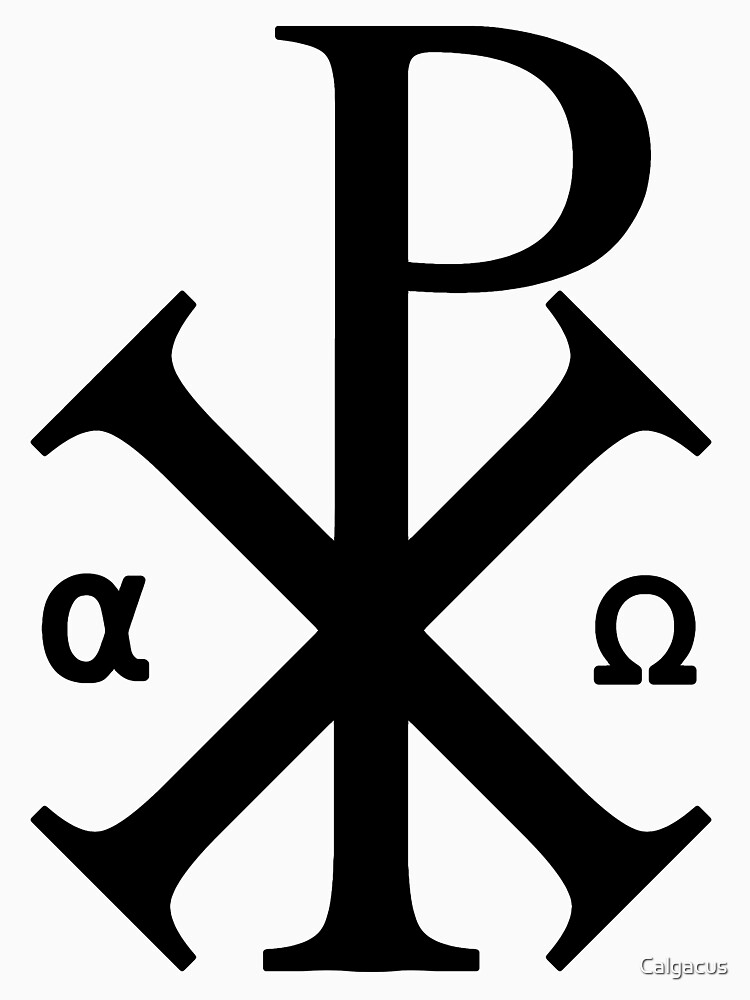
John identifies this ordering, meaning and purposing principle as not in the world, but a separate divine person.
Logos originates as a Greek concept, we would understand it in English as an ordering principle. Without knowing the Logos of a thing, you can’t really understand it. The principles that guide the house are known as economics. The principles of life and organisms is known as biology. Greek thought was obsessed with finding this ordering principle that directs the cosmos.
Paul understands what the pagan nations did to find this principle.
21 For although they knew God, they did not honor him as God or give thanks to him, but they became futile in their thinking, and their foolish hearts were darkened. 22 Claiming to be wise, they became fools, 23 and exchanged the glory of the immortal God for images resembling mortal man and birds and animals and creeping things.
Romans 1:21-23
Paul understands how the pagans placed the ordering, divine principle in the world itself. The fallen world became the meaning for its own existence. There could be no right or wrong, since all things were part of this divine oneness.
In the original language, we see Paul is talking about the creation as one thing (τῇ κτίσει). Mankind forsook worshipping the creator and destroyed the distinction between the creator and creation. The creation as a whole became the thing humanity worships. Pantheism is the default of a sinful creature. When we do so, the creation itself becomes divine. Unity of all things becomes the absolute good.
Throughout history, philosophers and others have attempted to draw the circle of the logos of creation around many things. For the stoics it was cultivating their understanding of the virtues. For the Epicureans it was the avoidance of pain and suffering in unity with nature. For Buddha and Hinduism, it is achieving the oneness with all things and the end of yourself. Darwin did it around the processes of natural selection, Hitler placed it around the struggle of races and “blot und boden.” For Marx the class struggle of economics was the logos of “history.” People do it in a million different ways, intellectually or something as simple as living for the next high (essentially the mantra of our culture’s pursuit of happiness). The question is essentially, what is the meaning of life and all things?
John has something to say about the Logos.
1 In the beginning was the Word, and the Word was with God, and the Word was God. 2 He was in the beginning with God. 3 All things were made through him, and without him was not anything made that was made.
John 1:1-3
John identifies this ordering, meaning and purposing principle as not in the world, but a separate divine person. God first creates the world by speaking, and it is the one called The Word who orders creation into it’s place. Jesus is intimately connected with God’s speaking and the creating act that comes from it.
The world does not exist in itself, or for itself. Nothing in the world is uncreated, and everything in it has an end. The universe is impersonal and without a holy creator, everything is simply a cold process. But thankfully this is not the case. We are created, ordered, designed by an infinite holy and wise God who himself is the reason for existence. The Father created the world to give a possession to the Son, making the Son both the one who ordered the world, and in him we the meaning and purpose of all things. Without him the world comes undone, cast into disorder and meaningless chaos. With him, we have an eternal blessing.
Q. 1. What is the chief end of man?
A. Man’s chief end is to glorify God, and to enjoy him forever.
-Westminster Shorter Catechism Question 1, Answer 1

 The Write Place
Leave a comment